Search

US Dollar


Welcome to our store
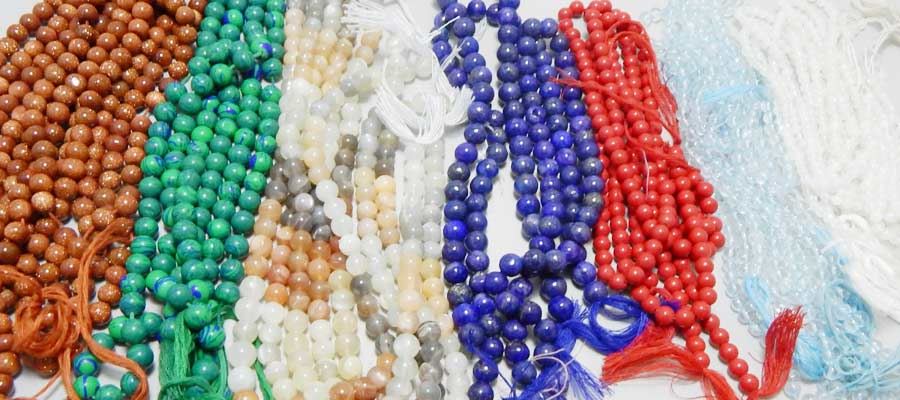
Beadsportal.com is one stop wholesale store for beaders and mala makers. This is wholesale beads store of all kind of beads, findings and mala supplies.
We are into beads manufacturing and whlolesale beads supplies for more than a decade. We also have very large and diverse stock of ready stock beads that can be shipped quickly, these beads are usually free shipping too.
We ship to almost all destinations in the world and our shipping charges are quite reasonable. Our low minimum order requirement ensures that even small buers can avail our wholesale rates.
We love your feedback and suggestion for improving our services.





Latest From Blog
14 Mar 2024 Top Gemstone Bracelets under $2
Read MoreBracelets with gemstones as the main ornamental element are known as gemstone bracelets. Naturally occurring minerals, gemstones have been honed and polished to bring forth their special hues, pattern...

27 Feb 2024 Difference between Clay Beads and Metal Beads
Read MoreClay beads are beads made from various types of clay or ceramic materials. They are crafted by molding and firing clay or ceramic compounds into desired shapes and sizes. Clay beads have been used for...

26 Feb 2024 What are rudraksha bead strings
Read MoreRudraksha bead strings are strands of beads made from the seeds of the Rudraksha tree, which is found mainly in the Himalayan regions of India, Nepal, and Indonesia. These beads hold spiritual signifi...
_300.png "What are lampwork beads and why are they important?")
25 Feb 2024 What are lampwork beads and why are they important?
Read MoreLampwork beads are made by hand from glass using a process known as lampworking. In lampworking, glass rods or tubes are melted over a high-temperature torch flame and then shaped using a variety of i...
Payment options


